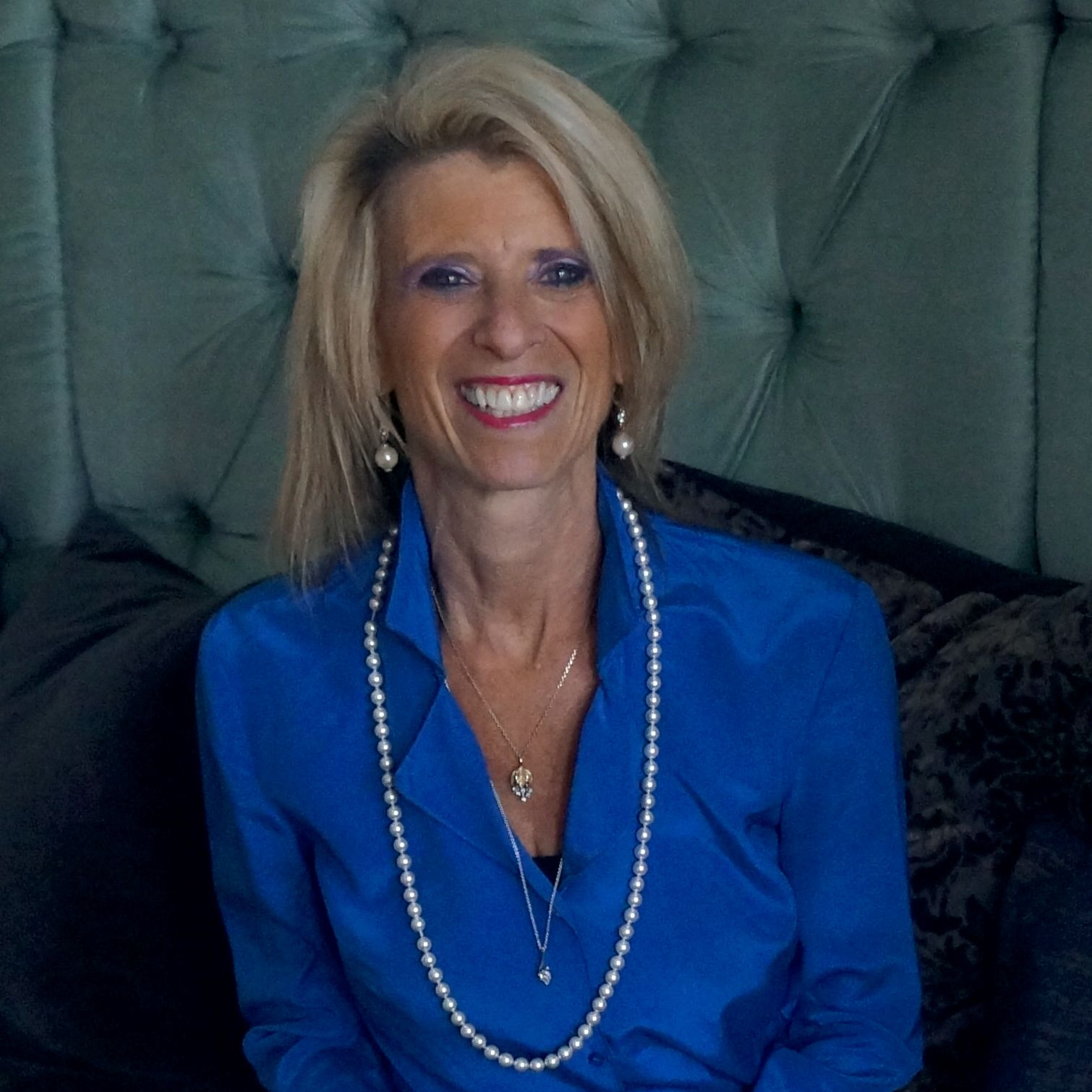
By Heather Theisen-Gandara
I am the founder of Reignite Collective, which provides divorce recovery coaching for women 40+, in Houston, Texas and a new member of the International Academy of Collaborative Professionals (IACP). My path into this field is both professional and personal, grounded in more than two decades of leading teams in international diplomacy, with a focus on the MENA region and Latin America. My own experience navigating divorce after a 24-year marriage further shaped my commitment to this work. Today, I support women globally in both English and Spanish, with a focus on healing, building self-trust, and intentional life reinvention.
While I have come to specialize in recovery and midlife transformation, I find that divorce coaching adds value in three key areas within the broader ecosystem of divorce support.
1. Creating Space for Pre-Decisional Clarity
Many clients enter the divorce process without full internal alignment. They may be influenced by urgency, external pressure, or emotional overwhelm. Coaching offers a structured, non-directive space to explore the decision itself, separate from legal strategy or therapeutic processing.
When clients engage in this level of reflection early, they often move forward, whether toward divorce or reconciliation, with greater ownership and reduced reactivity. For professionals across disciplines, this can translate into more focused communication, clearer priorities, and more stable decision-making throughout the process.
2. Strengthening the Collaborative Model
Divorce outcomes are strongest when approached through a coordinated, multidisciplinary lens. Coaches serve as a consistent point of integration, helping clients prepare for meetings, organize their thoughts, and stay anchored in their long-term goals.
This role does not replace legal, financial, or clinical expertise. It supports those efforts by reducing fragmentation on the client side. When clients feel more regulated and prepared, professionals often experience more productive engagements, fewer reactive pivots, and increased efficiency in moving matters forward.
3. Extending Support into Post-Divorce Reinvention
In general, Collaborative professionals are engaged intensively during the divorce itself. However, clients' needs continue well beyond the final agreement. In many cases, this is where deeper identity work begins.
Coaching can provide continuity beyond the legal and financial resolution, supporting clients as they redefine their lives with intention. This is really where my work comes in. This often includes redefining the client's role as head of household, embarking on a wellness journey, implementing self-care routines, calming the nervous system, and even connecting more with the "glow-up side" in style and wellness.
From a systems perspective, this extended support can contribute to more sustainable long-term outcomes, as clients are better equipped to integrate the changes they have worked through.
Divorce coaching, at its best, is about helping clients access their own clarity and voice with greater consistency, which I feel is often misunderstood outside of the collaborative divorce process itself.
Author website: https://www.reignitecollective.com/
Author Social Media HANDLES: https://www.linkedin.com/in/heathertheisen-gandara AND @HeatherGlowsAgain on YouTube, TikTok, Instagram, Facebook