From One Flutter to a Global Movement

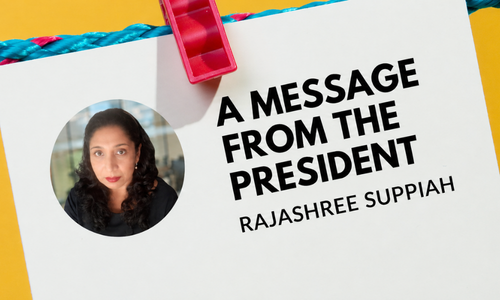
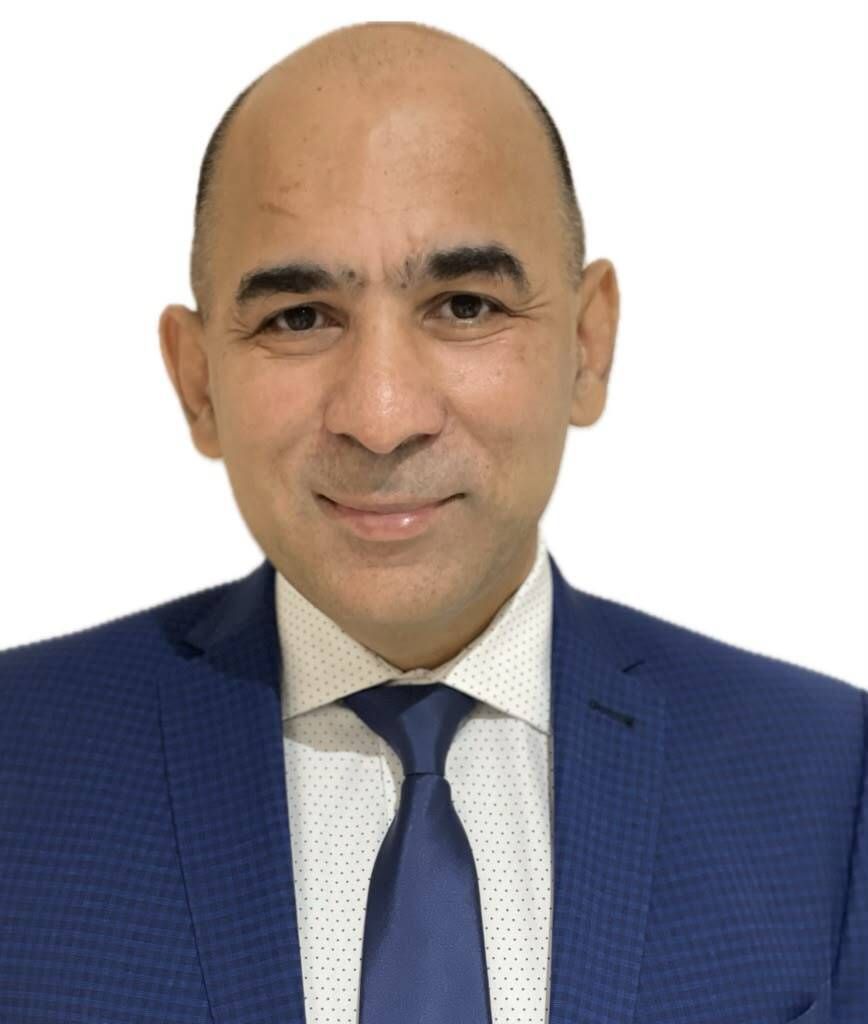
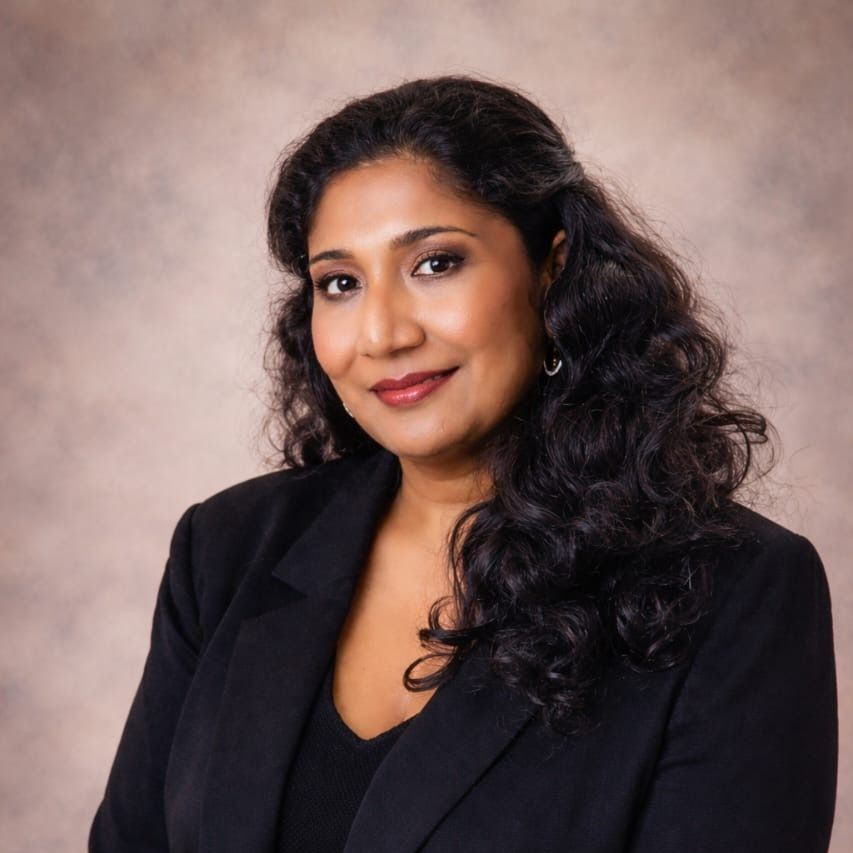
By Rajashree Suppiah, IACP President

I have always been drawn to the theory of the Butterfly Effect, that idea that a butterfly fluttering its wings in one part of the world could cause a tornado in another. I have always found it deeply empowering, the sense that every action we take has an effect, whether to ourselves or to others.

For Collaborative Practice, that flutter of butterfly wings first took place somewhere in the state of Minnesota, when one man decided that family practice needed to be done in a more compassionate way, with decency and which looked out for the well-being of all, including the professionals involved. That flutter was then carried across various parts of America, and one day, our organization, the International Academy of Collaborative Professionals, came into being.

That same flutter reached the shores of Malaysia almost 14 years ago, when a few thoughtful lawyers sat in a conference and heard a sharing about Collaborative Practice for family disputes. That seed of an idea stayed with them for a decade. Then, one day, a training was organized for Collaborative Practice to be taught to our practitioners, making us among the pioneers of Collaborative Practice in Malaysia.

The effect did not stop there. It moved us towards becoming members of the IACP, and through that, we were exposed to the richness, growth, and development of Collaborative Practice in other parts of the world. What began as membership soon deepened into being part of the IACP community through volunteering, contributing and involvement in IACP committees.

From there came my privilege and honor of serving as a member of the Board of Directors of the IACP, alongside truly remarkable individuals, each a leader, each willing to give their time, effort, and heart to growing Collaborative Practice. And this year, it is a complete honor, and one I accept with humility, to take on the mantle of leadership and to lead this extraordinary organization and its people.


The fluttering of those butterfly wings, all of it, began with one small movement in one corner of the world. It serves as a powerful reminder that every one of us can do good, to cause change and to make a difference. No matter how small the action, there will be a reaction. Something will grow, develop, and emerge from it. That, to me, is profoundly empowering.

As we move forward in living up to the vision and mission of the IACP together, we continue to build a community that fosters connection. I can say that nothing in my life journey so far has impacted me as deeply as being part of this organization and this truly global community.

In this inaugural message, I share my story to remind all of us that every step we take brings us closer to fulfilling the vision we all share, that all dispute resolution is collaborative, compassionate, and constructive and of the hope of Collaborative Practice spreading its wings across the world.

By K. Malaika Walton, IACP Executive Director June 25, 2026
IACP seeks to partner with an organization to host an international Collaborative Practice conference in 2027 outside of the United States or Canada.
By Rajashree Suppiah, IACP President June 24, 2026
IACP has 16 Global Partners across the world committed to growing Collaborative Practice.
By William Hogg LL.M June 10, 2026
Reflection from William Hogg LL.M: I am writing this on the flight back to London, which probably explains the slightly scattered nature of what follows. I have just spent three days in Basel and I am still letting it all sink in. I had been looking forward to this conference for a long time. It did not disappoint. Basel was a wonderful setting, and the programme gave us a lot to think about. There were moments where the quality of discussion really stood out, not because it felt overly polished, but because people were speaking from experience. From 4th to 6th June, I joined professionals from across Europe for a conference on ethical challenges in Collaborative Law and Practice, hosted by Collaborative Law & Practice Switzerland together with the European Network for Collaborative Practice . As a board member of the ENCP, and of the Family Mediators Association here in the UK, this is a community I have been part of and championed for years. Being in Basel with so many of its members in person was a genuine pleasure. Lawyers, mediators, financial advisers and coaches. People who spend their working lives with families at the worst moments those families will ever face. There was something unusual about being in a room like that. Everyone seemed to be there for the same reason, and it was not really a commercial one. They wanted to know how to do this work better. How to cause less damage. How to help people get through separation with a bit more of their dignity intact. That is what I have come away thinking about most. We tend to talk about family law in technical language. Disclosure, negotiation, orders, hearings, outcomes. All of it matters and none of it is going away. But underneath every one of those words is a person who is frightened, grieving, or watching a future they had planned for simply dissolve. Collaborative Practice starts from that fact rather than working around it. It asks us to care about how someone arrives at the answer, not only what the answer is. For anyone who has not come across it, Collaborative Law is a structured way of resolving family matters without going to court. The clients and their advisers agree to work things out around a table. It relies on honesty, good preparation, and a genuine willingness to solve the problem instead of trying to win. That idea is not new. What felt new in Basel was how hard people are now pushing on the detail. How do you build a proper team around a client. How do you spot a power imbalance before it does harm rather than after. How do you let a child's voice into the process without putting a child in the middle of it. How do you adapt when the person across the table is anxious, neurodiverse, or so overwhelmed they can barely take in what is being said. These are not seminar questions. They are the things that actually decide whether a case goes well or badly. The ethics theme ran through all of it, and rightly so. In Collaborative work ethics are not a footnote. They are the foundation. If one person does not feel safe enough to speak honestly, the process has already failed, however civilised it looks from the outside. If the advisers lose sight of who they are really there to serve, the trust that holds everything together starts to go. A room can be perfectly polite and still be deeply unfair. The same point kept coming back in different sessions. Goodwill on its own is not enough. You need skill, you need structure, and you need to keep questioning yourself. You have to be confident enough to give your client proper advice, and disciplined enough not to throw petrol on the conflict while you do it. You have to ask your client to be open, while accepting that openness is only possible if you have built the conditions for it. That is the part I find genuinely exciting. The principles are old. The way the ENCP and its members are developing them across Europe feels very much alive. There is a real appetite to keep improving, to borrow from how other jurisdictions do things, and to keep asking the uncomfortable question of whether the process is actually helping the families who use it. I came away energised and proud to be part of this community. A special mention to some of the standout contributions over the three days. Shireen B. Meistrich from the US, was excellent, as were lawyers Marc Sheridan and Jacinta Gallant , and Alicia Farran of Our FamilyWizard in the UK. Federica Marabini , Michela Tonini and Sofia Tremolada gave a superb group presentation as a Collaborative team from Italy, and Swiss speakers Titus Thoma and Stefanie Santschi rounded things off beautifully. Thank you all. You are a large part of what made the three days so worthwhile. One thing I keep returning to is that Collaborative work refuses the assumption that separation has to be a fight. Plenty of cases do need a courtroom. Some clients need the protection that only a court can give, and I would never pretend otherwise. Collaborative Practice is not for everyone, and anyone who sells it as a cure for everything is overselling it. But for the right people it can change everything. It gives them somewhere to be supported without being backed into a corner. It lets the hard conversations happen with someone in the room to guide them. It nudges everyone to look past the argument in front of them and towards the life the family still has to live. That matters most when there are children. Two people might stop being a couple and still have to spend the next twenty years being parents together. How the legal process is handled can make that future a little easier or a good deal harder. So, I am grateful to the organisers for three genuinely valuable days, and reassured that there is a serious, thoughtful community of people across Europe who care deeply about getting this right. I am not bringing home one tidy lesson. It is more a reminder. Family law can keep evolving. An established process can still feel fresh when people apply it with imagination and a bit of care. And when professionals work together properly, with integrity and real concern for the person in the middle of it, the client is the one who benefits. That is how we try to think about family law at Laurus . The question is never simply what the legal route is. It is what the right route is for this client, this family and this particular moment in their life. Basel was a good reminder of why that question is the one that matters.
By Rajashree Suppiah May 27, 2026
By Rajashree Suppiah, IACP President
By Heather Theisen-Gandara May 3, 2026
A perspective on the three key areas in which divorce coaching adds value the broader ecosystem of divorce support and the Collaborative divorce process.
By Michael P. Sampson April 3, 2026
Learn more about the roots of Collaborative Practice which led to thousands of professionals globally help people resolve disputes respectfully out of court.
By Melissa Murphy Pavone April 3, 2026
This article explores how a proactive, team-driven approach can transform divorce from a reactive, adversarial process into a more intentional, amicable path forward.
By Ross Evans January 27, 2026
A blog about the role of practice group pods strengthening community in Collaborative Practice groups.
By Adam Cordover and Dr. Randy Heller January 8, 2026
Authors Adam B. Cordover and Dr. Randy Heller explain how teams around the globe can use the insights from a decade of survey data from Florida Collaborative matters
By Dr. Deb Gilman December 1, 2025
Twelve days. Two homes. One goal: giving your child a holiday season that feels safe, steady, and truly joyful.